


Lämpöpaperipinnoitteen valmistaja Kemikaali BPA/bisfenoli a CAS 80-05-7 Lämpöherkkä pinnoite
Yrityksemme tavoitteena on aina "täyttää asiakkaidemme vaatimukset". Hankimme ja suunnittelemme jatkuvasti erinomaisia korkealaatuisia tuotteita sekä nykyisille että uusille asiakkaillemme ja tarjoamme molempia osapuolia hyödyttävän tilanteen. Valmistamme lämpöpaperipinnoitteita, kemikaalia BPA/bisfenoli CAS 80-05-7, ja alan trendien johtaminen on jatkuva tavoitteemme. Tavoitteenamme on toimittaa ensiluokkaisia tuotteita ja ratkaisuja. Kauniin pitkän aikavälin tavoitteemme on tehdä yhteistyötä kaikkien ystävien kanssa kotona ja ulkomailla. Jos olet kiinnostunut tuotteistamme, ota rohkeasti yhteyttä meihin.
Yrityksemme tavoitteena on yleensä "täyttää aina asiakkaidemme vaatimukset". Hankimme ja suunnittelemme erinomaisia korkealaatuisia tuotteita sekä vanhoille että uusille asiakkaillemme ja luomme kaikille osapuolille hyödyn. Periaatteenamme on yhteistyö ja win-win-tilanne, ja noudatamme laatufilosofiaa, kehitymme jatkuvasti rehellisesti ja toivomme vilpittömästi voivamme rakentaa hyvät suhteet yhä useampiin asiakkaisiin ja ystäviin saavuttaaksemme win-win-tilanteen ja yhteisen vaurauden.
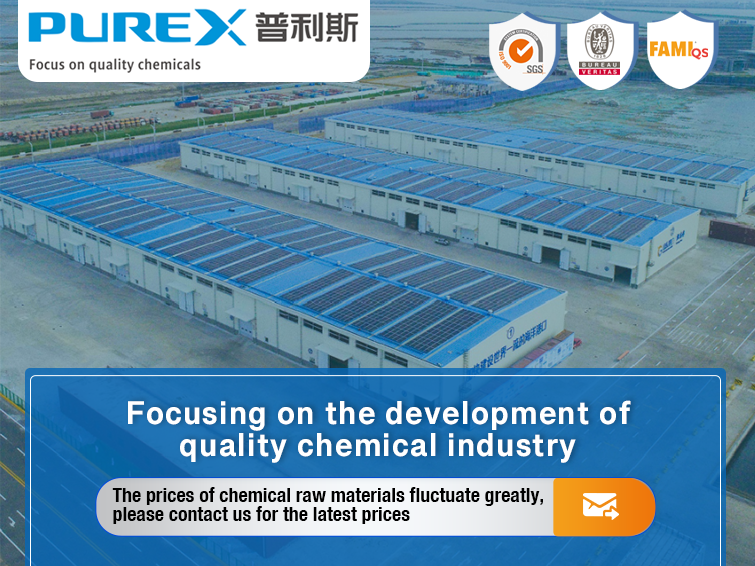
Bisfenoli A:n varastointiolosuhteiden tulisi keskittyä ydintavoitteisiin, jotka ovat "heikkenemisen estäminen, turvallisuuden varmistaminen ja ympäristövaikutusten välttäminen".
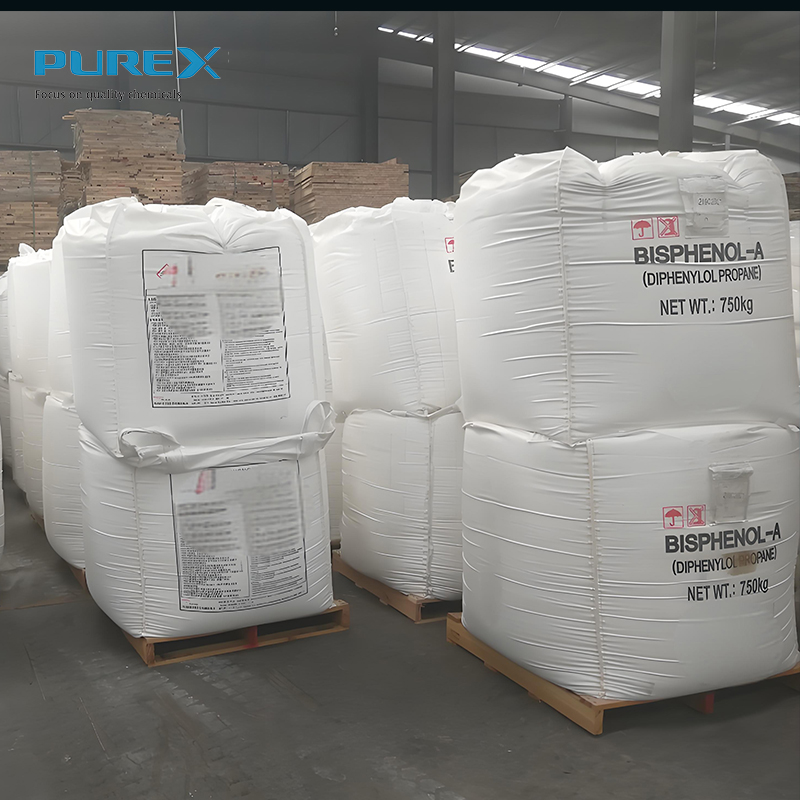
Bisfenoli A:n (BPA) käyttötarkoitukset
Bisfenoli A (BPA) on olennainen raaka-aine polykarbonaattien, epoksihartsien ja korkeita lämpötiloja kestävien polyesterien synteesissä. Sitä käytetään myös PVC:n stabilointiaineena, muovin antioksidanttina, UV-säteilyä absorboivana aineena, sienitautien torjunta-aineena jne.
Monipuolisena yhdisteenä BPA:ta käytetään laajasti epoksihartsien, polykarbonaattien, polyesterihartsien, polyfenyleenieetterihartsien ja polysulfonihartsien valmistuksessa. Lisäksi se toimii polyvinyylikloridin (PVC) stabilointiaineena, antioksidanttina muoveissa, UV-säteilyä absorboivana aineena, maataloudessa käytettävänä sienitautien torjunta-aineena ja ikääntymisenestoaineena kumissa.
Sitä käytetään myös antioksidanttina ja pehmittiminä maaleissa ja musteissa. Orgaanisessa synteesissä BPA toimii keskeisenä ainesosana epoksi- ja polykarbonaattihartsien valmistuksessa, ja sitä käytetään laajalti tärkeänä raaka-aineena suurimolekyylisissä synteettisissä yhdisteissä sekä ikääntymisenestoaineissa, pehmittimissä ja maatalouden sienitautien torjunta-aineissa.
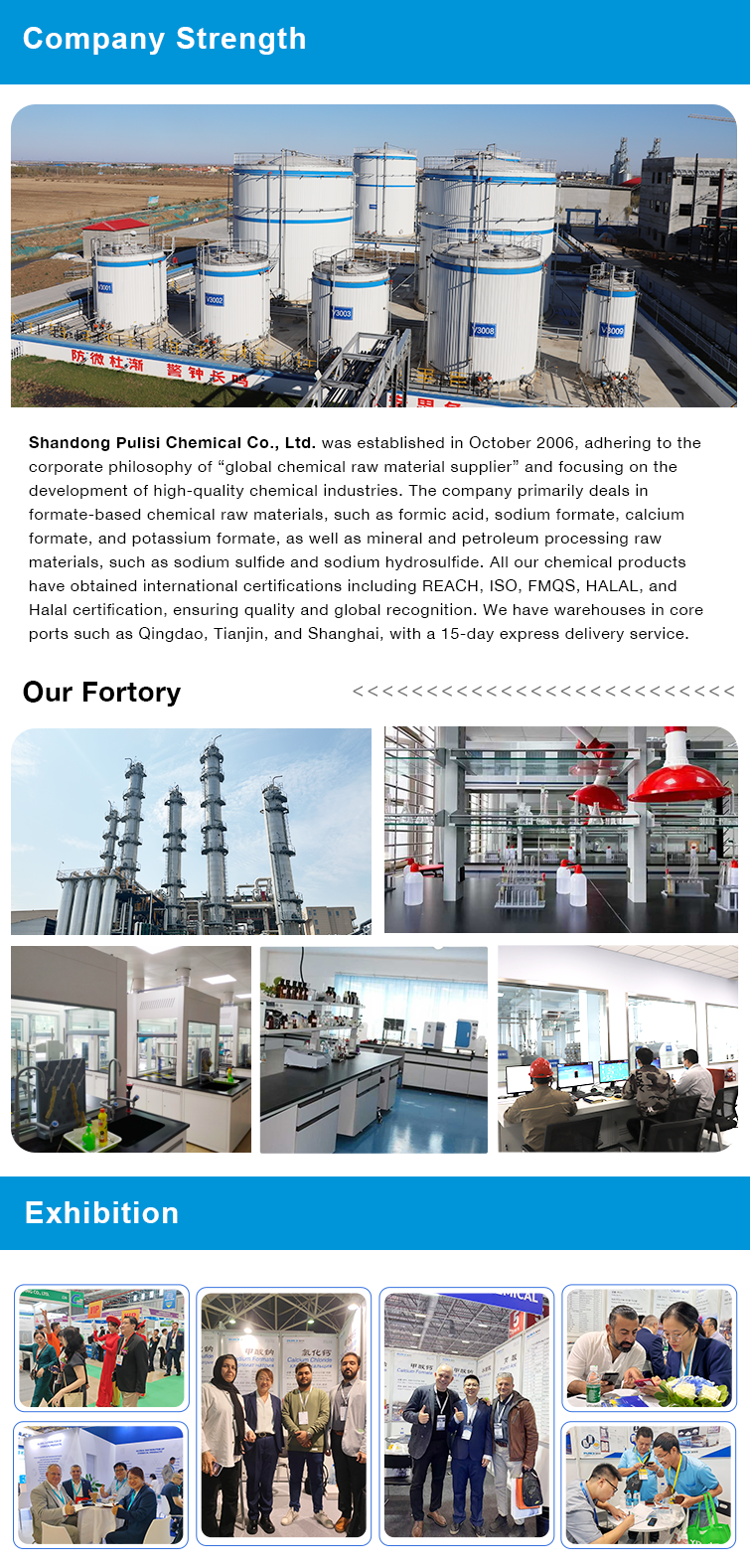
1. Toimitusvarmuus ja toiminnan erinomaisuus
Tärkeimmät ominaisuudet:
Strategiset varastokeskukset Qingdaon, Tianjinin ja Longkoun satamavarastoissa, joissa on yli 1 000 varastoyksikköä
tonnia varastossa saatavilla
68 % tilauksista toimitettiin 15 päivän kuluessa; kiireelliset tilaukset priorisoitiin pikalogistiikan kautta.
kanava (30 % kiihtyvyys)
2. Laatu ja määräystenmukaisuus
Sertifikaatit:
Kolmoissertifioitu REACH-, ISO 9001- ja FMQS-standardien mukaisesti
Täyttää maailmanlaajuiset hygieniamääräykset; 100 %:n tulliselvitysprosentti
Venäjän tuonti
3. Transaktionaalinen tietoturvakehys
Maksuratkaisut:
Joustavat ehdot: LC (nähtävä/määräaikainen), TT (20 % ennakkomaksu + 80 % lähetyksen yhteydessä)
Erikoisjärjestelmät: 90 päivän alv-luotto Etelä-Amerikan markkinoille; Lähi-itä: 30 %
käsiraha + BL-maksu
Riitojenratkaisu: 72 tunnin vasteaika tilauksiin liittyviin konflikteihin
4. Ketterä toimitusketjun infrastruktuuri
Multimodaalinen logistiikkaverkosto:
Lentokuljetus: 3 päivän toimitus propionihappolähetyksille Thaimaahan
Rautatieliikenne: Erillinen kalsiumformiaattireitti Venäjälle Euraasian käytävien kautta
ISO TANK -ratkaisut: Suorat nestemäisten kemikaalien kuljetukset (esim. propionihappo
Intia)
Pakkausten optimointi:
Flexitank-tekniikka: 12 % kustannussäästö etyleeniglykolille (perinteiseen tynnyriin verrattuna)
pakkaus)
Rakennuslaatuinen kalsiumformiaatti/natriumvetysulfidi: Kosteudenkestävät 25 kg:n kudotut PP-säkit
5. Riskienlieventämisprotokollat
Näkyvyys kokonaisvaltaisesti:
Reaaliaikainen GPS-seuranta konttilähetyksille
Kolmannen osapuolen tarkastuspalvelut määräsatamissa (esim. etikkahappolähetykset Etelä-Afrikkaan)
Myynnin jälkeinen vakuutus:
30 päivän laatutakuu vaihto-/palautusvaihtoehdoilla
Ilmaiset lämpötilanvalvontaloggerit kylmäkonttilähetyksille
Tällä hetkellä useimmat ulkomaat käyttävät bisfenoli A:n syntetisoimiseen ioninvaihtohartsikatalyyttistä menetelmää tai vetykloridimenetelmää (käyttäen HCl:a katalyyttinä), ja jotkut käyttävät myös modifioituja rikkihappomenetelmiä. Vahvasti happaman rikkihappokatalyytin aiheuttaman vakavan laitteistokorroosion vuoksi klassinen rikkihappomenetelmä on suurelta osin poistettu käytöstä. Viimeaikaiset kansainväliset raportit ovat usein korostaneet bisfenoli A:n tuotantoteknologioiden kehitystä. Kiinassa on tullut välttämättömäksi tutkia bisfenoli A:n valmistusteknologioita, jotka voivat korvata klassisen rikkihappomenetelmän, optimoida tuotantoprosesseja ja parantaa tuotteiden laatua uusien synteettisten materiaalien kehityksen vaatimusten täyttämiseksi.
Tuotekategoriat
-
Kuuma myynti tehdas Kiinassa kuuma myynti alumiinifoliot ...
-

Halvin tehdas Kiinassa kalsiumformiaatti 98 % myynnissä...
-
Tehtaalta suoraan jääetikkahappoa Gaa 99%
-
Uusi saapuminen kuuma myynti paras hinta natriumformiaatti
-

Teollisuusluokan jäätikkölaattojen laaduntarkastus
-
Erinomainen laatu ISO-väriaine Na2s2o4 natriumhydroksi...